
June 3, 2026
Bell points to a strong ISP play: combine local datacenter control, sovereignty, and semantic search to sell premium visual services.
Market Signal
Bell and Coveo introduced a sovereign AI partnership for government and regulated sectors in Canada. The relevant signal for an ISP is that a large operator is not just selling infrastructure anymore. It is packaging local datacenter control, jurisdictional trust, and semantic search into a service customers can operationalize.
The market is starting to reward less of the abstract idea of "having AI" and more of the ability to sell it as a practical service for compliance, investigation, and productivity.
ISP Reading
For an ISP with a regional datacenter, this validates a strong commercial thesis: when the offer combines local data residency with a function the customer immediately understands, such as finding evidence faster, the service moves beyond price-per-camera competition.
That improves margins in several ways. It supports higher ticket sizes, lowers churn in regulated accounts, and monetizes storage, inference, retention, and video governance from infrastructure the operator already controls.
How It Connects With Horus ISP
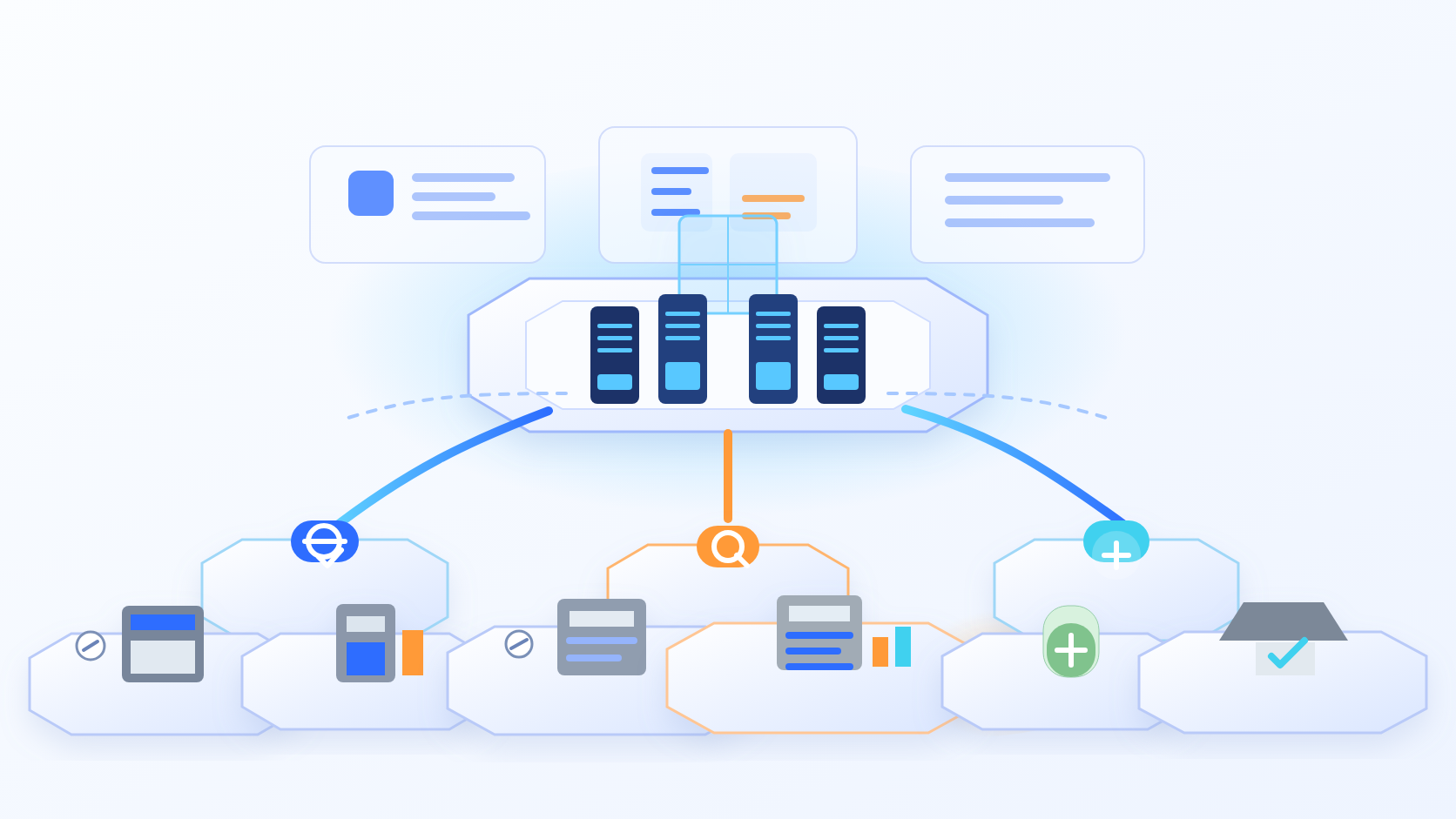
Horus ISP turns that thesis into a product. If part of the stack runs in the ISP datacenter, the platform can ingest, index, process, and query video under operator control, with tenant permissions, governed evidence, and a commercial layer ready to package.
The advantage is not only technical. Horus ISP makes it possible to sell by site, camera, SLA, or retention window, then take that offer into municipalities, healthcare, education, campuses, and multi-site chains with a sharper business story.
Service Or Package Enabled
- Sovereign video surveillance with local retention and exportable evidence.
- Semantic search add-on across video archives for faster investigations.
- Premium service for regulated accounts operating under local jurisdiction.
- Multi-site offer with regional indexing and tenant-based administration.
Sources
- Bell. "Bell and Coveo announce strategic sovereign AI partnership to advance Canada's digital leadership". 2026-03-10. https://explore.business.bell.ca/news-and-events/strategic-sovereign-ai-partnership-coveo-advance-canada-digital-leadership
- TelecomTV. "Bell Canada adds AI relevance to its sovereign pitch". 2026-03-11. https://www.telecomtv.com/content/ai/bell-canada-adds-ai-relevance-to-its-sovereign-pitch-55057/amp/