
May 27, 2026
InterDigital offers a useful signal for ISPs: stabilizing video uplink and improving edge efficiency can make critical visual services easier to sell.
Market Signal
TelecomTV published an InterDigital announcement about two research lines with practical implications: more efficient AI training at the edge and teleoperation assisted by predictive agents that stabilize video uplink even when the link degrades.
The ISP signal is that visual AI value does not appear only after video reaches the server. It can also be built in transport quality, stream continuity, and intelligence close to the network.
ISP Reading
Many intelligent video services fail because of fragile uplinks, energy cost, or site-to-site variability. Improving the operational quality of the visual stream can reduce missed events, rework, and churn.
For the operator, this makes critical services on its own network more defensible: perimeter security, remote monitoring, remote assistance, mobility, or urban infrastructure. The customer is not buying connectivity alone; it is buying visual continuity and reliable response.
How It Connects With Horus ISP
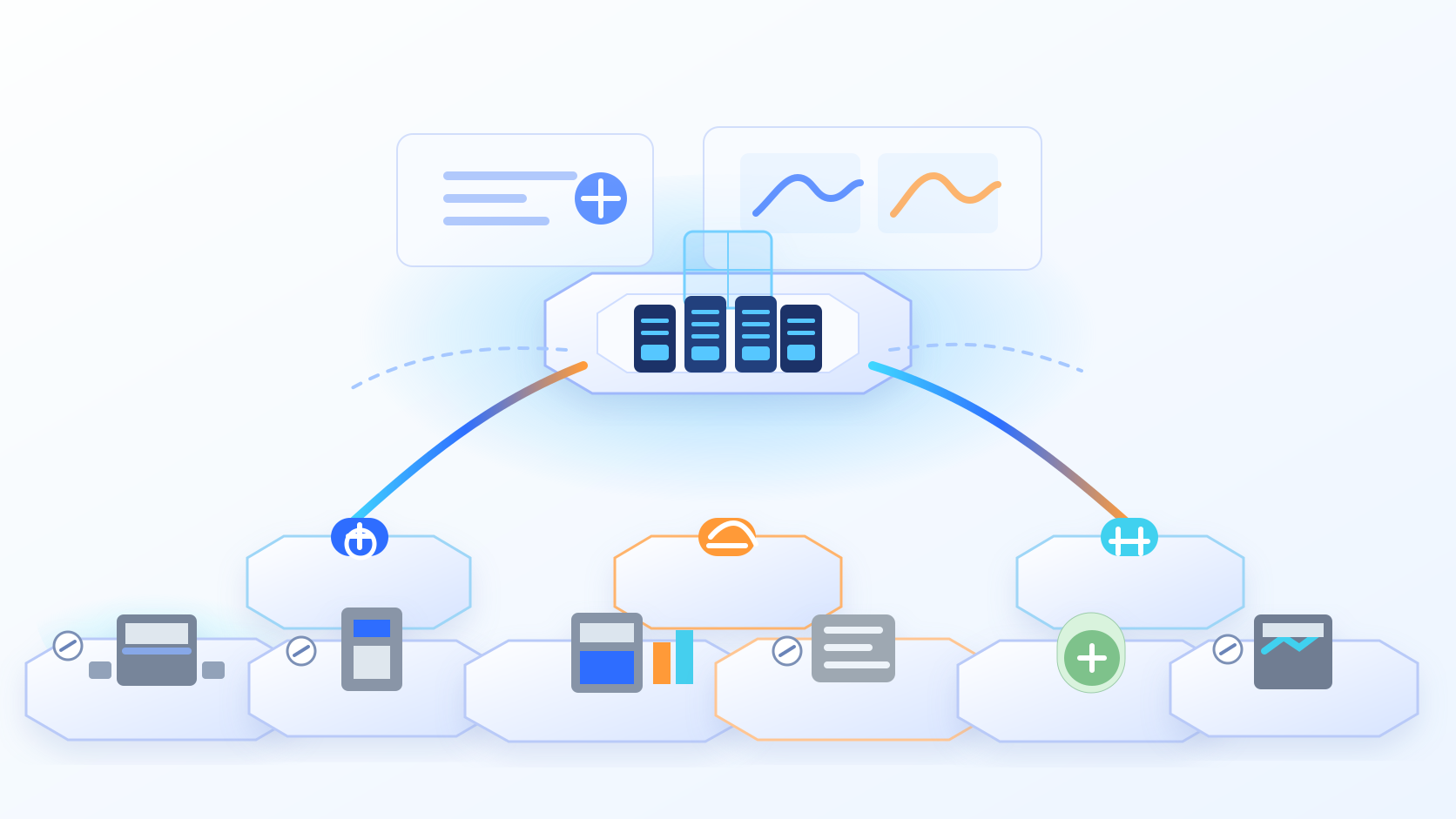
Horus ISP can use an architecture deployed close to the ISP network to combine ingestion, buffering, regional processing, and event automation. That base turns more stable streams into alerts, evidence, and operable workflows.
The proposition becomes stronger when the service needs to tolerate variable links, preserve visual context, and reduce dependency on a central cloud.
Service Or Package Enabled
- Teleoperation or remote assistance for fleets, logistics yards, and machinery.
- Monitoring road corridors with variable uplinks.
- Video analytics for industrial sites with heterogeneous links.
- Remote supervision for utilities and critical infrastructure.
Sources
- TelecomTV. "InterDigital to demonstrate AI-enabled teleoperation and energy efficient edge intelligence". 2026-04-07. https://www.telecomtv.com/content/ai/interdigital-to-demonstrate-ai-enabled-teleoperation-and-energy-efficient-edge-intelligence-55247/