
September 1, 2026
Local deployment requires models, infrastructure and verifiable operating processes to work together.
Market signal
On August 26, Dell described its OTel 2.0 collaboration with AT&T and AMD, highlighting validated on-premises infrastructure and data control during training. This is telecommunications AI, not a video solution integrated with Horus.
What it means for the ISP
The ISP’s decision is which tasks belong on its own resources. A support assistant could consult authorized documentation and telemetry to help investigate incidents; its value depends on useful answers and operator time saved.
Measure cost per resolved case, escalations, errors and maintenance effort. An open model does not remove licensing for other components, power, updates or reserve capacity. Comparing total cost with a cloud alternative supports decisions by workload and data sensitivity.
How it connects with Horus ISP
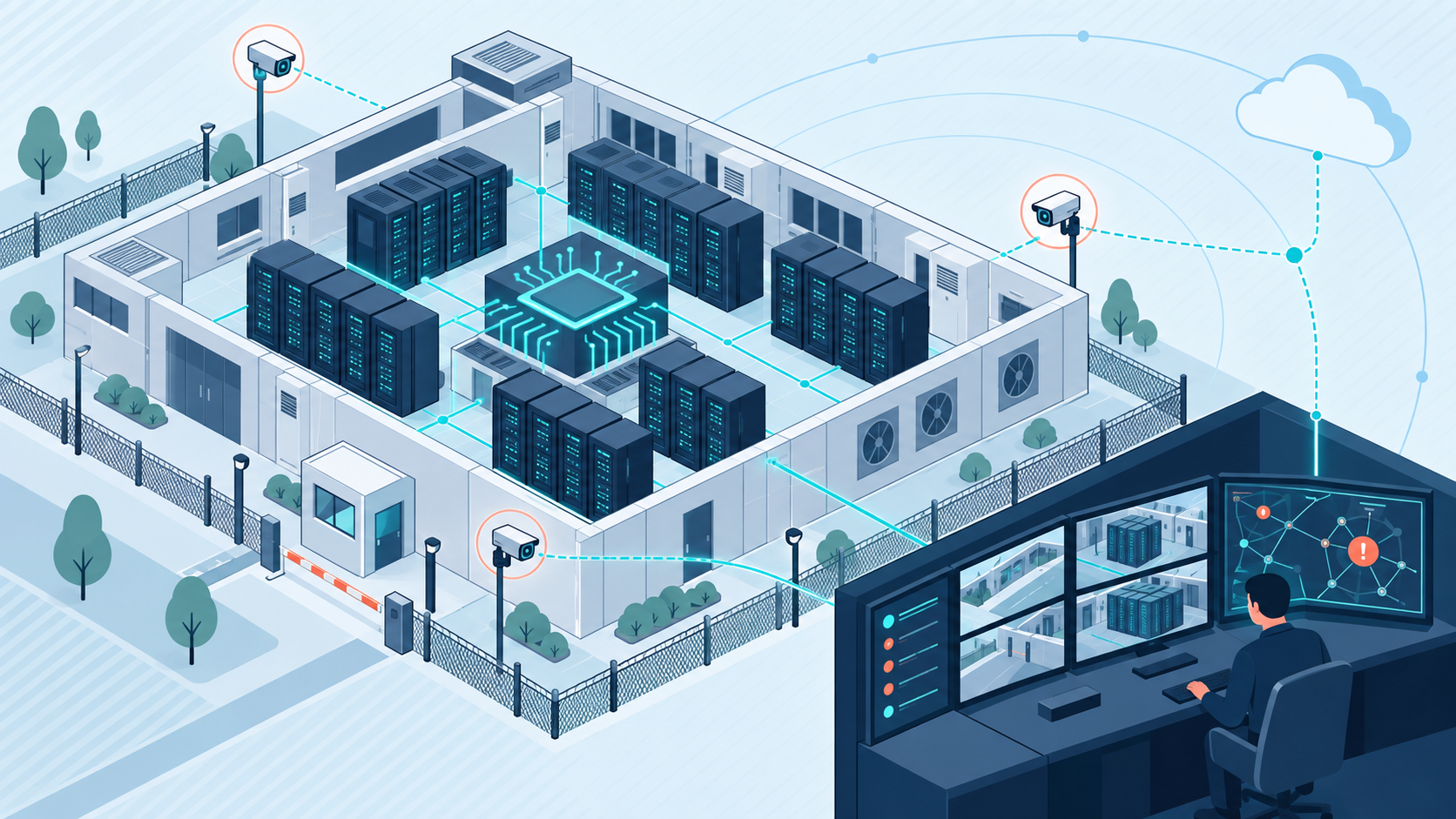
Horus ISP organizes cameras, events, evidence, permissions and apps within a hybrid architecture. As an integration to validate, an assistance service could relate connectivity failures to operational events and present recommendations to authorized staff.
The datacenter would host the service and logs with tenant isolation; the customer would retain capture and local continuity; cloud would handle authorized functions. Interfaces, response quality and permissions must be tested before offering the service. Recommendations should not change cameras or access rights without operational controls.
Services and packages
- Assisted support for video and connectivity incident investigation.
- Site health reports reviewed by technical staff.
- Private query processing with defined scope and retention.
- An on-premises/cloud comparison pilot before committing infrastructure.
Sources
- OTel 2.0: Dell Technologies, AT&T and AMD Bring Open Telco AI to Scale. Dell Technologies, 2026-08-26.